Of course! Here is a comprehensive structure and content for an English PowerPoint presentation on British Food Culture. It's designed to be informative, engaging, and easy to follow.
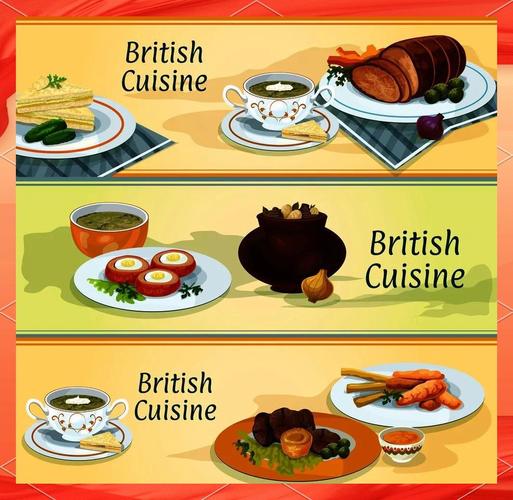
British Food Culture: From Tradition to Trend
Slide 1: Title Slide
(Image: A collage of iconic British foods: a Sunday roast, fish and chips, a full English breakfast, a scone with clotted cream and jam, and a modern afternoon tea spread.)
British Food Culture
From Tradition to Trend
Presenter: [Your Name] Date: [Date]
Slide 2: Agenda / Introduction
(Image: A simple, elegant map of the United Kingdom.)
What We'll Explore Today
- A Brief History: How history shaped British cuisine.
- The Classics: Icons of British food and drink.
- Daily Rituals: The importance of meals in daily life.
- Modern Britain: The fusion of cultures on a plate.
- Conclusion: The state of British food today.
Slide 3: A Brief History: A Story of Invasion & Empire
(Image: A timeline graphic showing key periods: Roman, Viking, Norman, Victorian, Modern.)
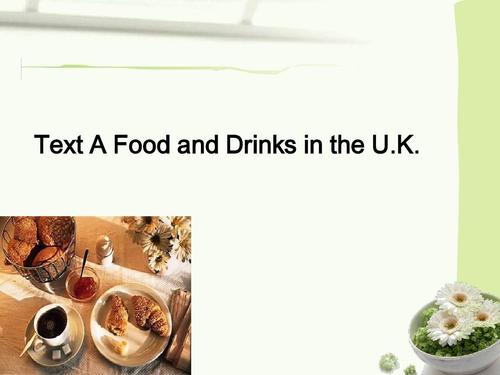
Shaped by its Past
- The Romans (43-410 AD): Introduced new crops like cherries, peas, and herbs. Established the first farms.
- The Vikings (800-1066 AD): Baked a flat, dry bread called "hardtack" or "tack." The word "cake" originates from the Old Norse kaka.
- The Normans (1066 onwards): Introduced the "feast culture" with elaborate, multi-course meals for the nobility. The word "menu" comes from the French menu (detailed list).
- The Industrial Revolution: Led to urbanization. Mass-produced foods like tinned goods and pies became staples for the working class.
- The British Empire: Introduced spices, tea, and ingredients from around the world (e.g., curry from India, chillies from the Americas).
Slide 4: The Classics: The "Great" British Breakfast
(Image: A vibrant, mouth-watering photo of a Full English Breakfast.)
The Full English Breakfast
- More than just a meal, it's an experience!
- Components:
- Bacon (back bacon)
- Sausages (often pork-based)
- Eggs (fried or scrambled)
- Baked Beans (in tomato sauce)
- Black Pudding (a type of blood sausage)
- Mushrooms and Tomatoes
- Toast or Fried Bread
- When to eat: Traditionally a weekend treat or for a special occasion, not a daily weekday meal for most.
Slide 5: The Classics: The National Dish
(Image: A classic fish and chips wrapped in paper, sitting on a wooden table with a small pot of mushy peas.)
Fish and Chips
- The undisputed national dish of the UK.
- Origin: Became popular in the 19th century, with fish and chip shops ("chippies") opening across the country.
- The Perfect Combination:
- Fish: Typically cod or haddock, battered and deep-fried until crispy.
- Chips: Thick-cut, fluffy on the inside, crispy on the outside.
- Tradition: Served with salt and malt vinegar, and often with mushy peas or tartare sauce. Historically, it was wrapped in newspaper for the journey home!
Slide 6: The Classics: The Sunday Roast
(Image: A beautiful roast dinner with a roast chicken, Yorkshire puddings, roast potatoes, carrots, and broccoli.)
The Sunday Roast
- A cherished weekly family tradition.
- The "Meat of the Day": Traditionally beef, lamb, chicken, or pork.
- The Essential Accompaniments:
- Roast Potatoes: Crispy on the outside, fluffy inside.
- Yorkshire Puddings: A baked pudding made from a batter of eggs, flour, and milk. They are meant to be eaten with the meat and gravy.
- Gravy: The essential sauce that brings everything together.
- Seasonal Vegetables: Such as carrots, peas, broccoli, and parsnips.
- The Pudding: Often followed by a sweet dessert, like Apple Crumble or Sticky Toffee Pudding.
Slide 7: The Classics: Pub Grub
(Image: A cozy, traditional British pub interior with a plate of steak and ale pie on the table.)
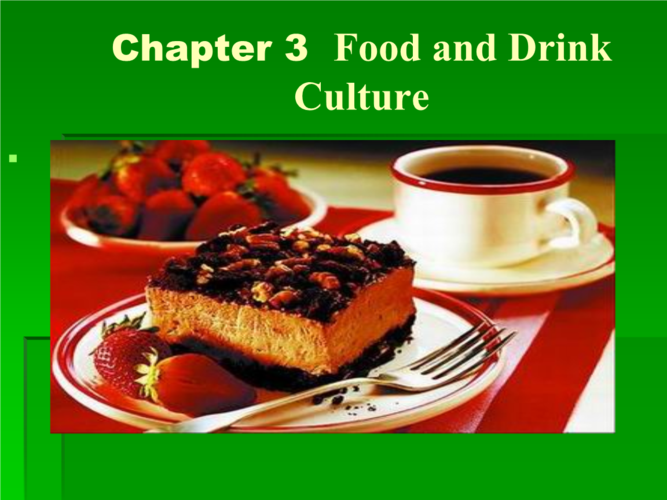
Pub Grub: The Heart of Community
- The pub ("public house") is a social hub.
- Traditional Pub Foods:
- Pie and Mash: A meat pie (e.g., steak and ale, chicken and mushroom) served with mashed potatoes and often parsley sauce.
- Bangers and Mash: Sausages ("bangers") with mashed potatoes and onion gravy.
- Shepherd's Pie / Cottage Pie: A minced meat (lamb for Shepherd's, beef for Cottage) topped with a layer of mashed potato.
- Ploughman's Lunch: A cold meal of cheese, bread, pickle, and pickled onions.
Slide 8: Daily Rituals: Afternoon Tea
(Image: A three-tiered stand with sandwiches, scones, and cakes, with a pot of tea.)
Afternoon Tea: A Quintessential Ritual
- Not just a cup of tea, but a formal light meal.
- The Tradition: Originated in the 19th century among the upper class. The story goes that Anna, the Duchess of Bedford, needed a "sinking feeling" between lunch and dinner.
- The Three Tiers:
- Savory: Finger sandwiches (cucumber and egg are classics).
- Scones: The highlight! Served with clotted cream (a thick, rich cream) and strawberry jam.
- Sweets: Miniature pastries, cakes, and scones.
Slide 9: Daily Rituals: The Great British Cuppa
(Image: A classic British mug of tea with a milk swirl, sitting on a saucer.)
The Great British Cuppa
- "Nice cup of tea, love?" is a national phrase.
- The Perfect Brew:
- Black Tea: The most common types are English Breakfast, Earl Grey, and Peppermint.
- Milk: Usually added to the cup first ("MIF" - Milk In First) to prevent the hot water from cracking the porcelain.
- Sugar: To taste, though many now drink it without.
- When? Anytime! It's the solution to a bad day, a celebration, a break from work, or a way to welcome a guest.
Slide 10: Modern Britain: A Global Kitchen
(Image: A vibrant bowl of Chicken Tikka Masala, with naan bread on the side.)
From "Jellied Eels" to "Jerk Chicken"
- The UK's food scene is now one of the most diverse in the world.
- The Biggest Influence: Indian Cuisine.
- Chicken Tikka Masala: Often called "Britain's true national dish." A creamy, tomato-based curry. It was invented in the UK by Indian chefs.
- Curry: "Going for a curry" is a popular night out.
- Other Influences: Italian, Chinese, Thai, Lebanese, and Turkish foods are now integral to the British diet.
- Modern British Food: "Modern British" cuisine uses high-quality, local ingredients with international cooking techniques.
Slide 11: Modern Britain: Farmers' Markets & Fine Dining
(Image: A bustling farmers' market with colourful displays of fresh produce.)
A Newfound Passion for Quality
- A Return to Local & Seasonal:
- Farmers' Markets: Have exploded in popularity, offering fresh, local, and artisanal products.
- Celebrity Chefs: Figures like Jamie Oliver and Gordon Ramsay have championed fresh ingredients, healthy eating, and improved school meals.
- World-Class Fine Dining:
- The UK now holds more Michelin stars than ever before.
- Restaurants like The Fat Duck (Heston Blumenthal) and Core by Clare Smyth are globally recognised for their innovative and creative menus.
Slide 12: Conclusion: The State of British Food
(Image: A split-screen image: on the left, a traditional pie; on the right, a modern, artistic dish.)
British Food: A Story of Evolution
- From its historical roots...
- Simple, hearty, and practical food.
- Shaped by trade and empire.
- ...to its modern identity.
- A diverse, multicultural, and exciting culinary landscape.
- A proud focus on local produce and high-end innovation.
- In short: British food is no just about tradition, but about a dynamic and delicious future.
Slide 13: Q&A
(Image: A simple, clean background with the text "Thank You & Questions?")
Thank You!
Any Questions?
Slide 14: Sources / Further Reading (Optional)
(Image: A small bookshelf graphic.)
Further Reading
- Books:
- Eating for England by Kate Colquhoun
- How to Be a Domestic Goddess by Nigella Lawson
- English Food by Jane Grigson
- Websites:
Tips for Your Presentation:
- Visuals are Key: Use high-quality, appetizing images. This is the most important element for a food presentation.
- Keep Text Simple: Use bullet points and short sentences. Don't put paragraphs on the slides.
- Tell a Story: Connect the slides with a narrative. Explain the "why" behind the traditions.
- Engage Your Audience: Ask questions like, "Has anyone tried a full English breakfast?" or "What is the most popular food from your home country?"
- Pronunciation: Be prepared to pronounce words like "scone" (rhymes with "gone" in the UK), "clotted cream", and "Yorkshire pudding" correctly.
- Personal Touch: If you have a personal experience with British food, share it! It makes the presentation more memorable.